01E-commerce & Retail
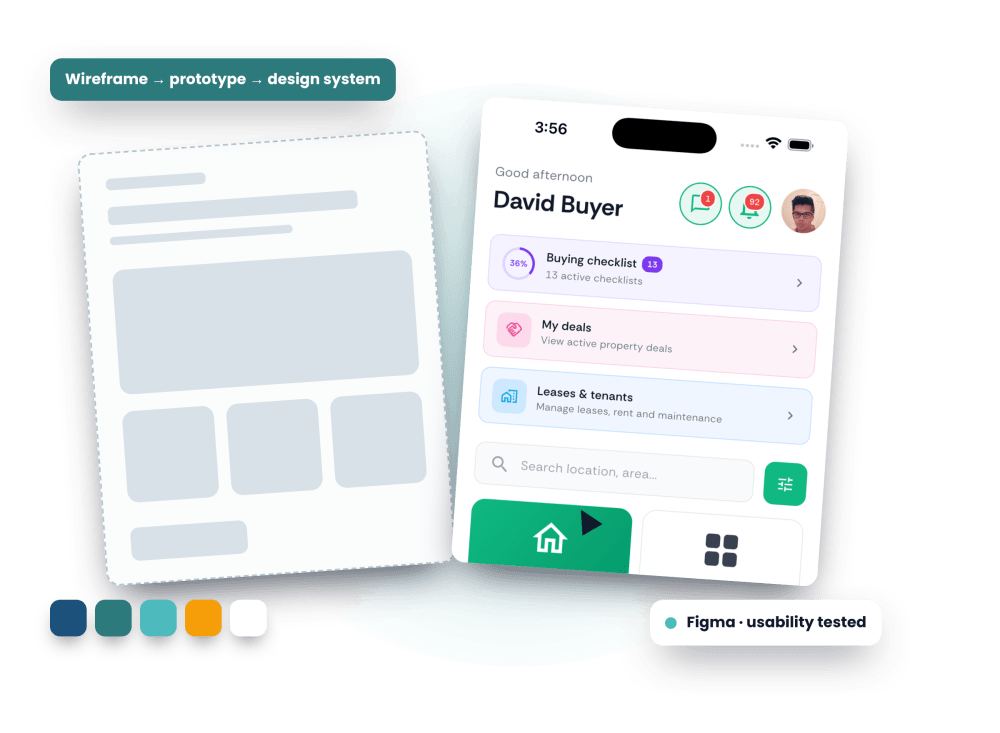
BigCommerce Online Store App
A high-performance ecommerce app with AI search, recommendations, and personalized merchandising.
75%User SatisfactionRead case study
AI ecommerce solutions that help shoppers find the right product, keep prices in step with demand and stop you selling stock you don't have.

Trusted by startups and SMEs worldwide
AI ecommerce solutions help an online store show each shopper the right products, price them for current demand and keep stock counts honest. Metaviz builds recommendation engines, text, voice and photo search, dynamic pricing, inventory forecasting and shopping apps that plug into platforms like BigCommerce and WooCommerce, so you keep the store you already run.
We start with your data, not the model. Before anything gets built, we check whether product titles and attributes are clean, whether there are duplicate SKUs, and whether orders and returns actually reconcile. A recommendation engine fed a messy catalog gives confident, wrong answers. Then we connect to what you already use - your BigCommerce or WooCommerce APIs and webhooks, your payment gateway, your stock and delivery tools - and ship one feature against one problem before we add the next.
AI isn't the right fix for every store problem. If you get a few hundred orders a month, a recommendation engine has little to learn from, and a simple bought-together rule or better filters will do more. New products have no history either, so we fall back on attributes and bestsellers until the data catches up. Pricing runs inside floors and ceilings you set. The BigCommerce Online Store App combined these pieces and reported 45% higher AOV and 60% repeat visits.
This is the range we build for online retail, from the stock count to the product a shopper sees next. Most stores need two or three of these to start, not all eight.
Suggestions ranked from each shopper's browsing and purchase history, shown on product pages, in the cart and in emails, with sensible fallbacks for new visitors and new products.
Suggestions ranked from each shopper's browsing and purchase history, shown on product pages, in the cart and in emails, with sensible fallbacks for new visitors and new products.
01 / 08Shoppers rated the experience positively - citing ease of use and smart features.
BigCommerce Online Store AppShoppers appreciated the speed, simplicity, and smart results of the visual search experience.
Snap and Shop Online StorePersonalized recommendations and faster product discovery kept users engaged.
BigCommerce Online Store AppMost users found relevant matches within seconds - image recognition built for real-world results.
Snap and Shop Online StoreBelow are stores and retail platforms we have built. Each one opens into a case study with the problem, the build, and what changed after launch.
A high-performance ecommerce app with AI search, recommendations, and personalized merchandising.

Customers snap a photo of any product and the app surfaces matching items from the catalog instantly.

A WooCommerce + Flutter grocery app with diet-first browsing, recipe-linked carts, and store-locator delivery for Dubai's healthy-food shoppers.
For e-commerce projects, these are the teams we usually bring in.
Built with the stack behind this work
We'd rather fix what's costing you sales this quarter than sell you a platform for a market that hasn't arrived yet. Each build is sized to what the store needs now and left in a shape that can take the next feature without starting over.
We've put recommendation engines, voice and photo search, dynamic pricing and inventory forecasting into live shopping apps. Snap and Shop's visual search reached 87% accuracy.
We build on the store you already run, through the BigCommerce API or the WooCommerce REST API and webhooks, so there's no catalog migration and no relaunch.
We look at your catalog, order history and returns before promising anything. If the data can't support a feature yet, we'll tell you and fix that first.
Pricing runs inside your rules, the assistant hands tricky cases to a person, and merchandising calls stay with you. The software does the repetitive part, not the judgment.
AI helps an online store sell more by showing each shopper relevant products, pricing for current demand and keeping stock accurate. The common uses are product recommendations, natural language and visual search, dynamic pricing, inventory forecasting, shopping assistants and review analysis. Most stores start with the one or two that fix their biggest drop-off point, then add more once those pay off.
AI product recommendations use browsing history, past purchases and what similar shoppers bought to predict what someone wants next. The engine then ranks products on home pages, product pages, carts and emails. New products and first-time visitors have no history, so a good system falls back on product attributes and bestsellers until it has enough data to personalize.
Yes, AI features can usually be added on top of the store you already run. We connect through the platform's APIs and webhooks for catalog, inventory and order data, as we did with the BigCommerce API in the BigCommerce Online Store App and the WooCommerce REST API in the Rawteen App, so there's no need to rebuild the store.
It depends on how much data you have. Recommendation and pricing engines need a steady flow of orders to learn from, so a low-volume store often gets more from better search, cleaner filters or a support assistant. We'll tell you honestly in the first call if a simpler, non-AI fix would earn more for your store right now.
You need a clean product catalog and a reliable order history. That means consistent titles, attributes and categories, one record per SKU, accurate stock counts, and orders and returns that reconcile. Reviews and browsing data help too. If any of this is messy, we fix it first, because AI repeats whatever mistakes are already in the data.
Visual search lets a shopper take or upload a photo and get similar products from your catalog. Image recognition models compare patterns, colors and textures in the photo against your product images. In our Snap and Shop Online Store app, shoppers photograph an item and get look-alike products in seconds, with 87% visual search accuracy and 2.5x more time on app.
The cost depends on scope, not a fixed package. The main drivers are which features you need, how many systems the build connects to, how clean your product and sales data is, and whether you need web, mobile or both. A free 30-minute consultation gives you a scoped estimate for your store.
The timeline depends on the features, the integrations and the state of your data. Adding one feature, such as recommendations or AI search, to an existing store moves faster than a new mobile app with pricing and inventory engines. A free 30-minute consultation maps your requirements and gives you a realistic, scoped plan before work begins.
Tell us where your store is losing people, and we will tell you what it would take to fix.